Land Clearing
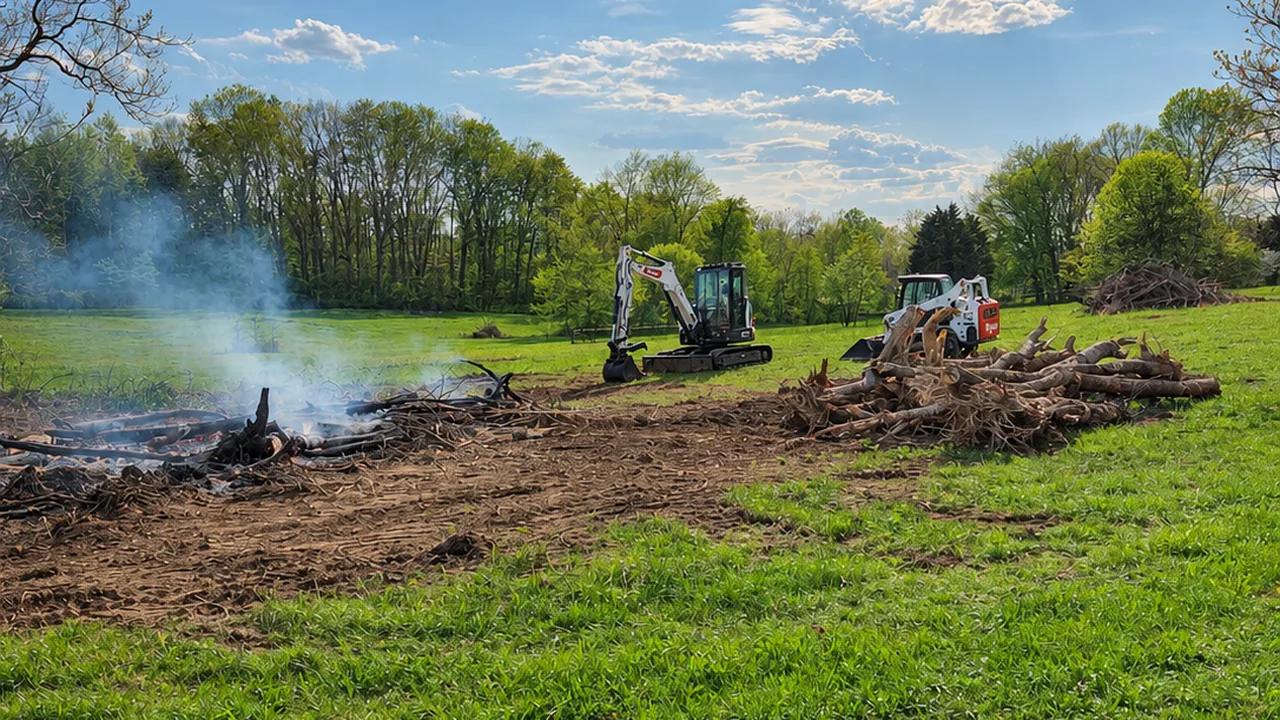
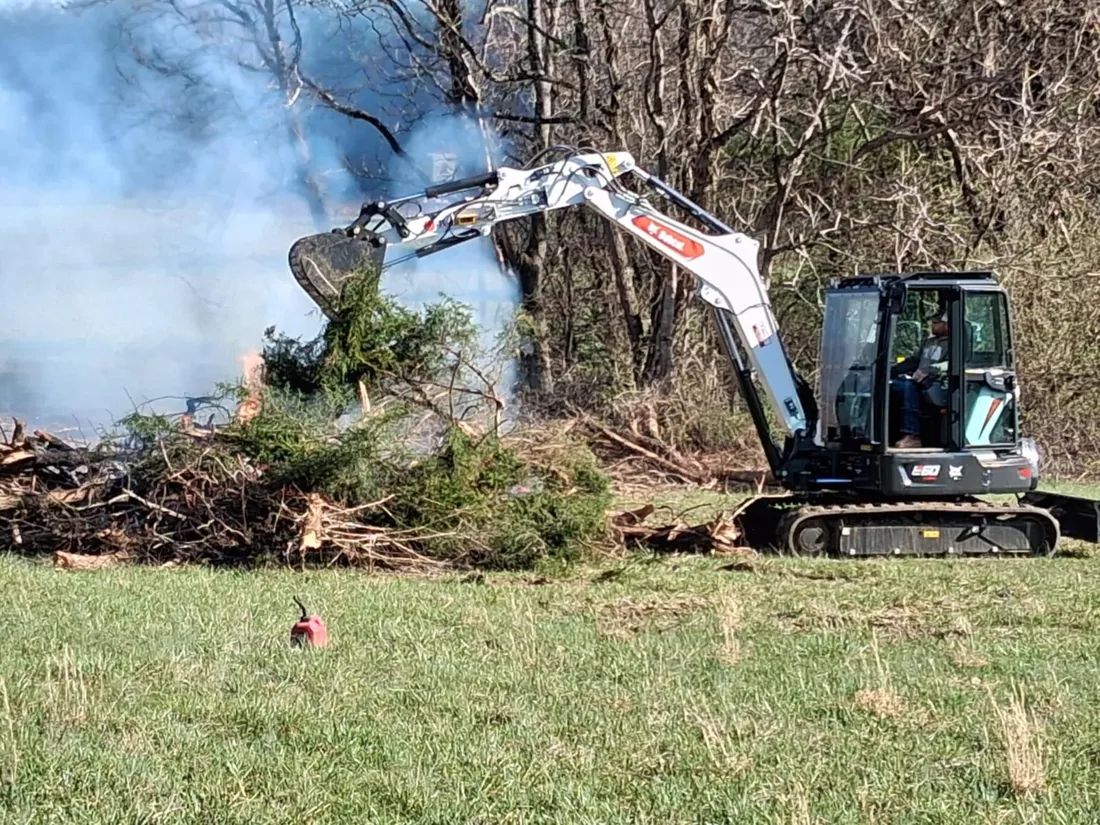
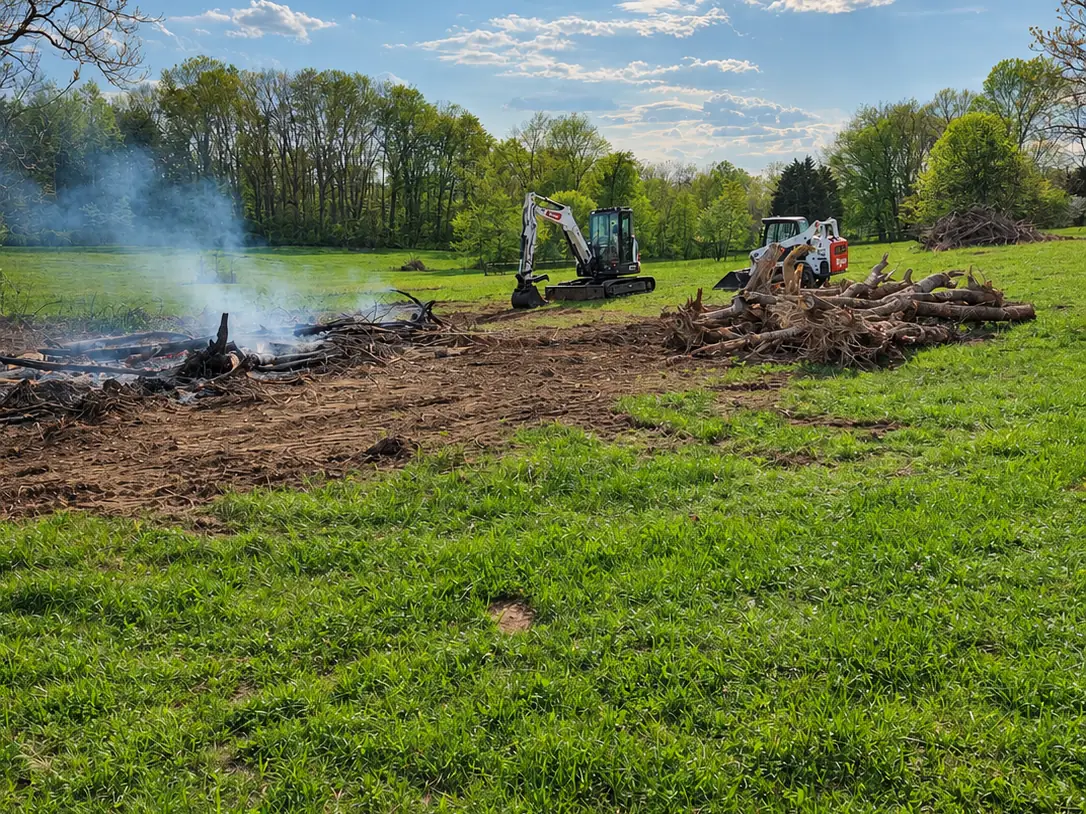
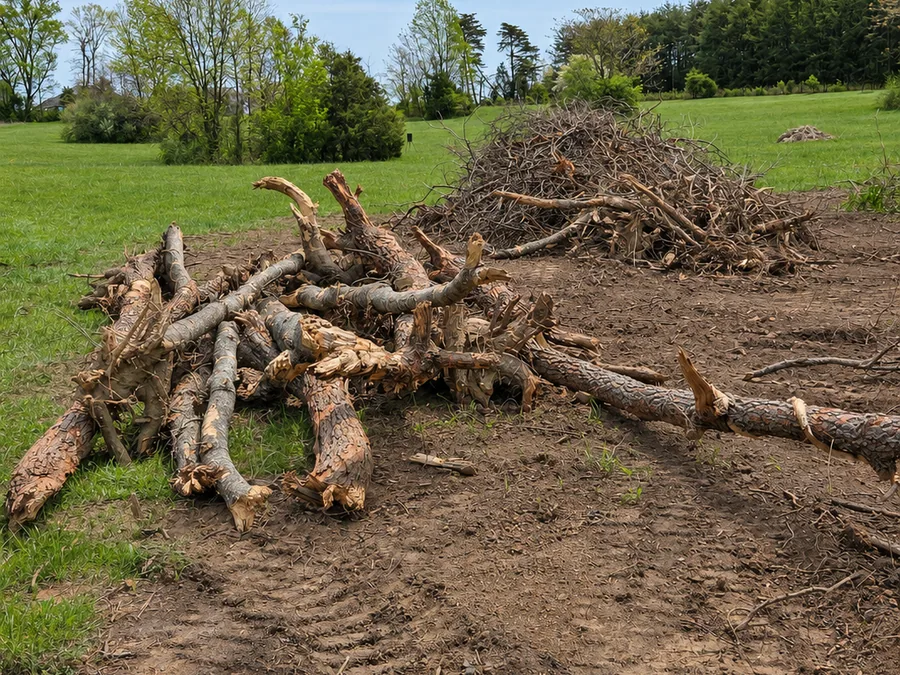
We clear wooded lots and grown-up pasture so the ground can be built on or farmed. Stumps and root balls are dug out whole, and the debris plan is agreed before we start.
Learn More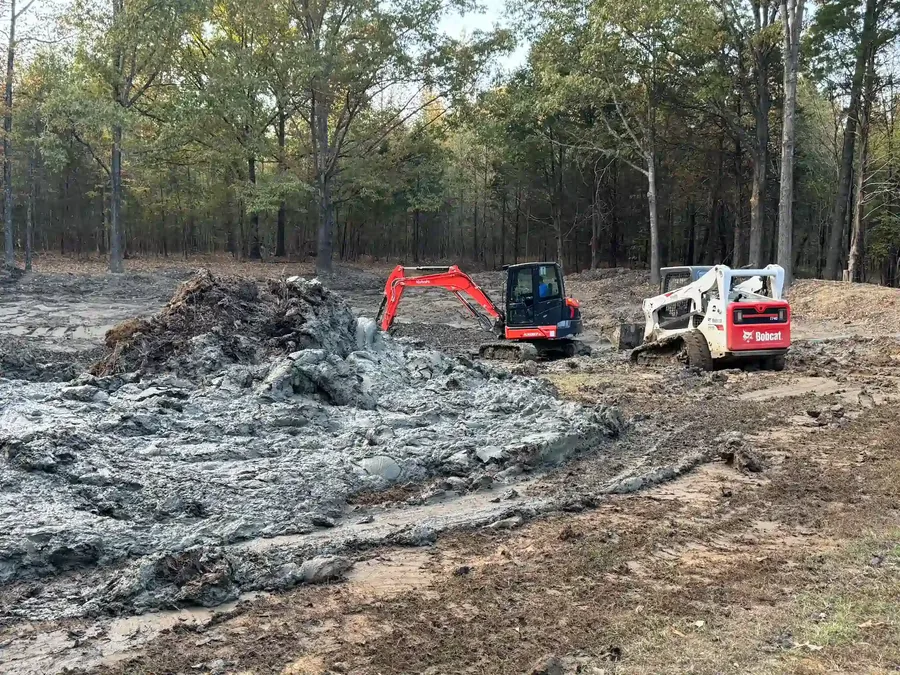
Pond excavation means digging a new pond or cleaning out an old one. Mattingly Excavating is an excavating contractor that does both for farms and acreage across Central Kentucky and Southern Indiana. Before we recommend an approach, we look at the lay of the land and how equipment gets in. The soil gets the closest look, because whether a site holds water depends on it.
We also improve farm ground beyond the pond. We clear brush and saplings out of grown-up pasture and fence lines, and we regrade low areas. Where pasture has turned into woods, our land clearing work takes over. On larger home properties we dig small ponds, and on commercial acreage we handle grading and access work.
Tell us about the job and where the property is. We talk through the scope and put a free estimate in writing.
Soil is the first question for any new pond. The NRCS pond handbook rates clays and silty clays as excellent for holding water. Coarse sands and mixes of sand and gravel let water through too easily, so the handbook calls them usually unsuitable.
The Kentucky Geological Survey calls Kentucky one of the most famous karst areas in the world. Karst is limestone ground where water has dissolved the rock and sinkholes form. The survey's list of towns on karst includes Louisville and Elizabethtown. Cracks and sinks in that rock can sit out of sight under the soil and empty a pond.
On ground like that, the NRCS handbook says the best clue is how nearby farm ponds have done. Unless the soil is known to hold water, the handbook also suggests borings across the area the water will cover. That is why we recommend a soil evaluation before digging. We do not provide pond or dam engineering.
The answer turns on the size of the pond and of any dam. Kentucky's dam safety law covers a dam 25 feet or more in height. It also covers one that can hold back 50 acre-feet of water or more. Building or changing a dam like that takes a permit from the Kentucky Division of Water.
Smaller ponds can still need approval, especially where a stream or a wetland is involved. Check with the county and the Kentucky Division of Water before any digging. Across the river, the Indiana DNR regulates dams on the Indiana side.
Permits are pulled by the property owner, and we explain what a pond is likely to need. Buried lines must be located before any digging. Kentucky law requires notice to Kentucky 811 at least two full working days before digging starts. Who places that request is settled during the project assessment, before work starts.
Ponds collect silt from the land that drains into them, and they get shallower. The NRCS handbook calls land kept in grass or trees the best drainage area for a pond. We clean out and reshape older ponds, and the plan for the silt is agreed before we start.
We open up grown-up fence lines and pasture edges and dig the stumps out whole. We also regrade low areas, after we talk through where the water will go.
Lanes between barns and fields are part of our farm lanes and access roads work. Where water crosses a lane or a field, drainage ditches and culverts can be part of the job.
Call or text for a written quote. We work about 60 miles around Louisville across Central Kentucky and Southern Indiana.
(502) 671-3465From the first call or text to the finished work, here is how it goes.
Call or text (502) 671-3465, or send a short description of the work. Photos of the site help.
We go over the scope with you. We ask what the land is for and what has to stay.
When the job needs an on-site visit, we come out and look at the ground and the access. Wet spots and narrow gates can change the plan.
The estimate lays out the proposed work and the price. It also says what happens to the dirt and debris.
Once you approve the estimate, we schedule the job and do the work it lays out. Wet ground can move the start date.
Common questions about ponds and farm work around Louisville and across Central Kentucky and Southern Indiana. If yours is not here, call or text and ask.
We clear wooded lots and grown-up pasture so the ground can be built on or farmed. Stumps and root balls are dug out whole, and the debris plan is agreed before we start.
Learn More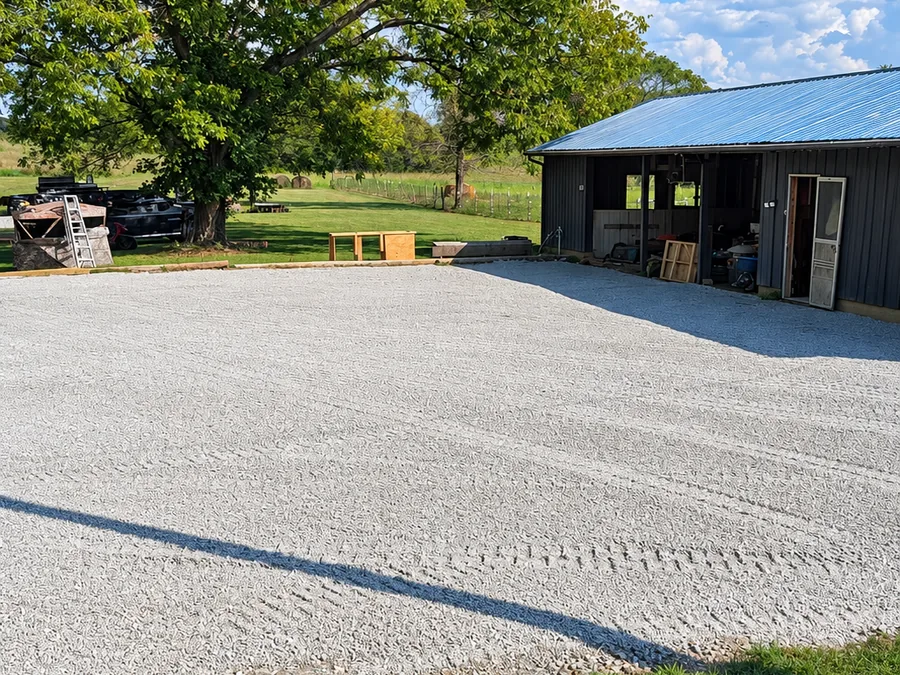
We build new gravel driveways and farm lanes, and we regrade drives that rut and hold water. Every route starts with a look at the ground under it and how it will be used.
Learn More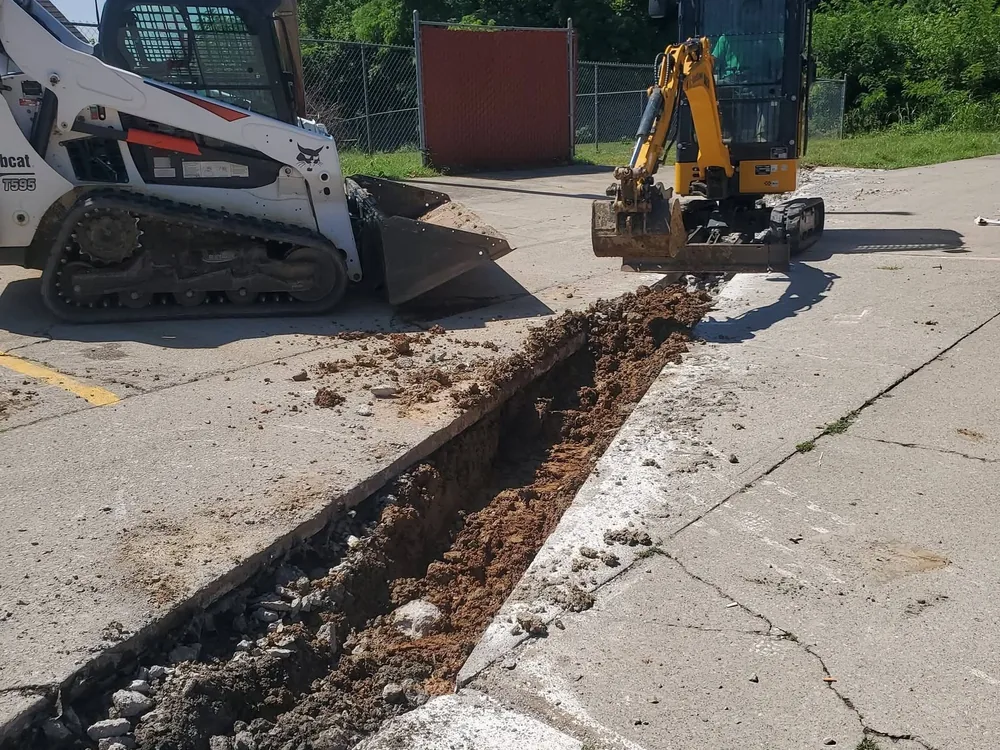
We dig drainage ditches and swales, and trench for drain pipe and culverts under drives and farm lanes. We also dig utility trenches for water lines and conduit, through pavement when a line must cross it.
Learn MoreWe look at the property when the job needs a visit. Then you get the proposed work and the price in writing.
What happens to the dirt, logs, stumps and debris is agreed before work starts. It is written into your estimate.
Soaked ground does not dig or compact the way it should. When it is too wet, we say so and set the work for when the ground allows.
We work on farms and raw land as well as town lots and job sites. That work runs across Central Kentucky and Southern Indiana.
Tell us where the property is and what you need done, and text photos if you have them. Send the form, or call or text (502) 671-3465.
Tell us about the job and where the property is. We talk through the scope and put a free estimate in writing.