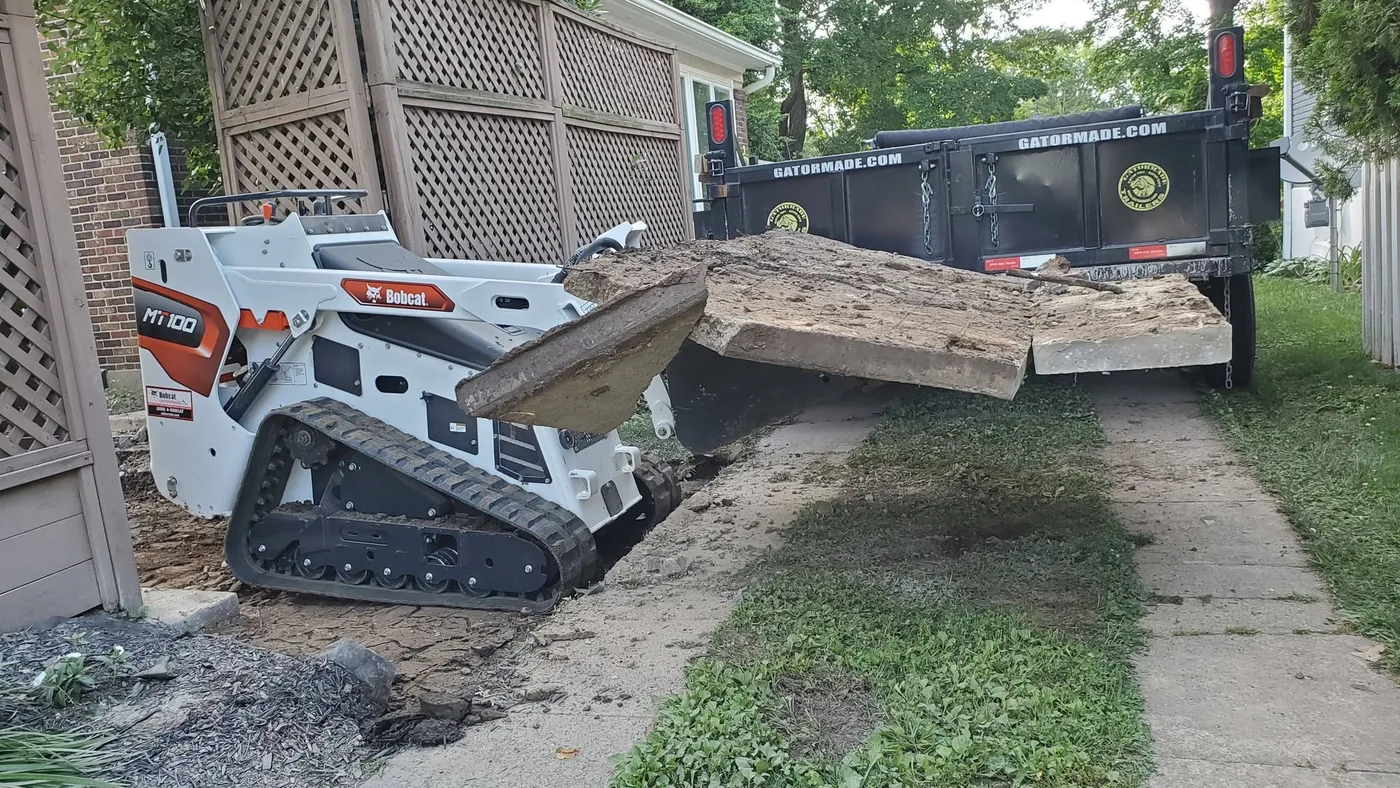
Driveways and Access Roads
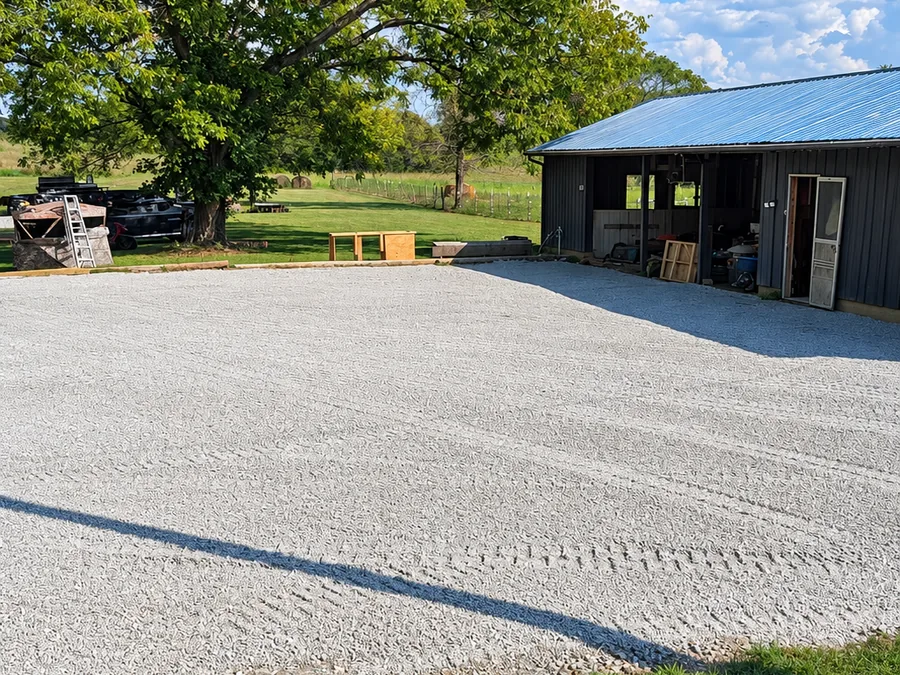
We build new gravel driveways and farm lanes, and we regrade drives that rut and hold water. Every route starts with a look at the ground under it and how it will be used.
Learn More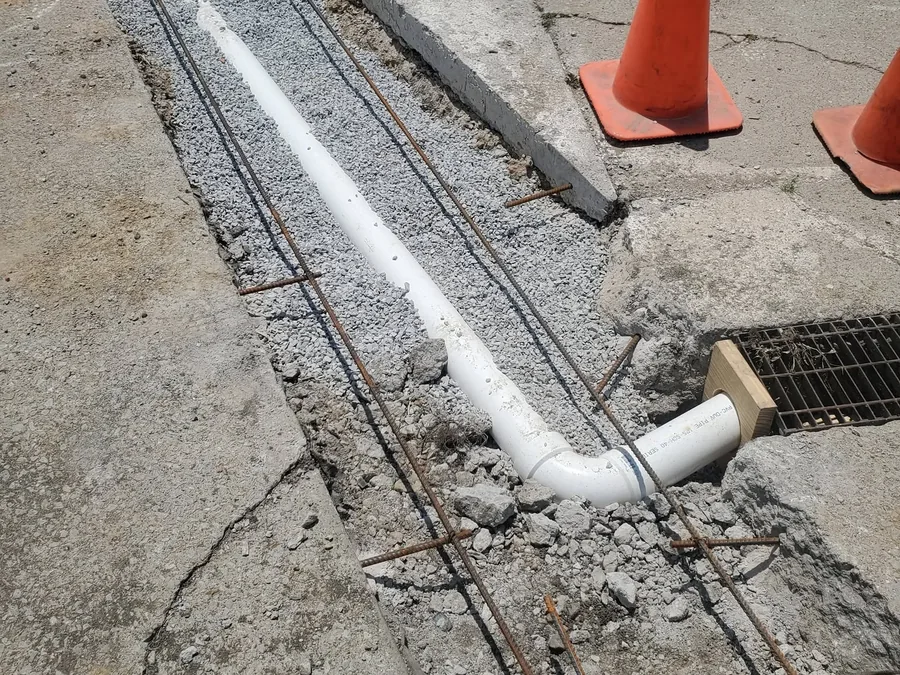
Water that stands against a barn or cuts across a farm lane has to go somewhere. Mattingly Excavating does drainage and trenching work on town lots and farm acreage across Central Kentucky and Southern Indiana. It is part of the dirt work we do as an excavating contractor serving Louisville and the countryside around it.
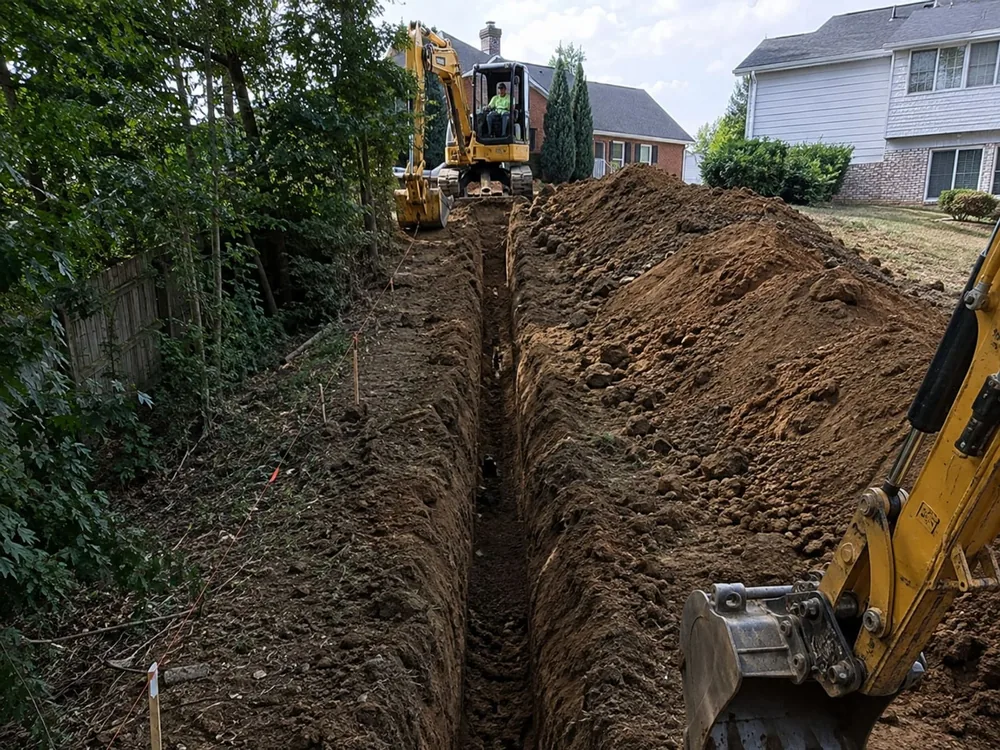
The drainage side covers ditches, swales and regrading, plus trenches for drain pipe and culverts. The trenching side covers water lines and electrical conduit, through concrete or asphalt when a line must cross it. We look at the property first, and what we find shapes the work we recommend.
Tell us about the job and where the property is. We talk through the scope and put a free estimate in writing.
Drainage solutions start with two questions: where does the water come from, and where can it go? Water runs downhill, so every ditch or drain line needs a lower place to empty.
Yard drainage around a house may mean regrading so the ground falls away from the walls. Downspout lines carry roof water away from the foundation, and yard drain lines pick up water at low spots. A swale is a shallow channel shaped into the ground, and a ditch is a deeper one. Grading a whole yard or a building pad falls under our site preparation and grading work.
Farms and acreage need the same thinking on a bigger scale: field and pasture drainage, and ditches along farm lanes. For businesses, the work is drainage for parking areas and work yards. What any of it can do depends on your ground and where the water can be sent.
A culvert carries a ditch under a driveway or a farm lane, so water passes beneath it. The pipe sits in line with the ditch and at its grade, so water keeps moving through. A pipe too small for the water coming down the ditch can back up and send it over the drive.
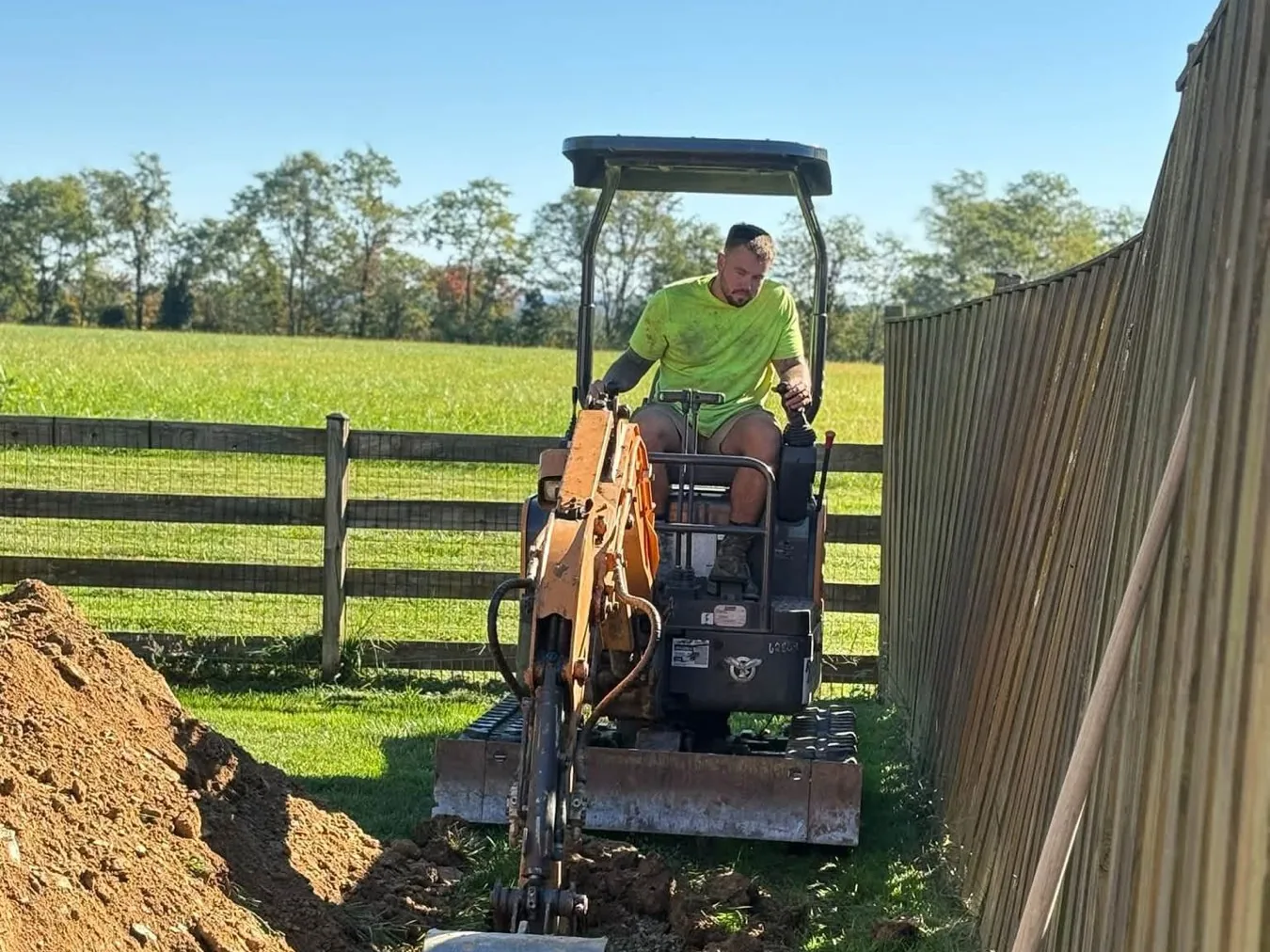
For drain pipe, we dig the trench to the depth and grade the line needs. Bedding the pipe and backfilling the trench are part of the job when your estimate includes them. On farms, culvert crossings let a lane cross a ditch out to a field or a barn. When the drive itself needs a new base or more stone, that is gravel driveway and farm lane work.
A culvert in the ditch along a county or state road may need the road department's approval before anyone digs. Along a state highway, the Kentucky Transportation Cabinet issues the permit for work in its right of way. Along a county or city road, start with the local road department. The property owner or the builder files that application, and we explain what the work is likely to need.
We dig utility trenches to the depth the line requires, which the utility, the electrician or the plans set. The line and its connections belong to the utility or a licensed trade. Once the line is in and any required inspection is done, backfill follows when it is part of your estimate. Trenches for septic lines and drain fields fall under our septic excavation and site work.
Buried utility lines have to be located before anyone digs. Kentucky law calls for notice to Kentucky 811 at least two full working days before digging starts. Indiana law sets the same minimum for requests to Indiana 811. Who places the request is settled during the project assessment, before work starts.
Private lines are not marked through Kentucky 811. The Kentucky Public Service Commission says the landowner has to point them out. These can include electric lines between outbuildings and propane lines off the tank. Before a trench runs out to a barn or a shop, tell us where those lines are.
Call or text for a written quote. We work about 60 miles around Louisville across Central Kentucky and Southern Indiana.
(502) 671-3465From the first call or text to the finished work, here is how it goes.
Call or text (502) 671-3465, or send a short description of the work. Photos of the site help.
We go over the scope with you. We ask what the land is for and what has to stay.
When the job needs an on-site visit, we come out and look at the ground and the access. Wet spots and narrow gates can change the plan.
The estimate lays out the proposed work and the price. It also says what happens to the dirt and debris.
Once you approve the estimate, we schedule the job and do the work it lays out. Wet ground can move the start date.
Common questions about drainage and trenching around Louisville and across Central Kentucky and Southern Indiana. If yours is not here, call or text and ask.
We build new gravel driveways and farm lanes, and we regrade drives that rut and hold water. Every route starts with a look at the ground under it and how it will be used.
Learn More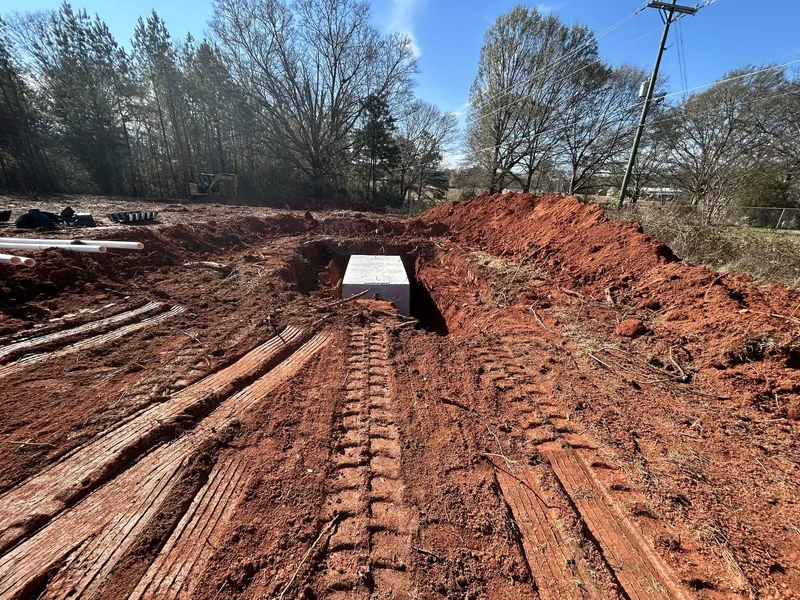
We dig for septic tanks and trench for drain fields to the approved plan. In Kentucky, a state-certified installer puts in the system, and we handle the excavation and site work.
Learn More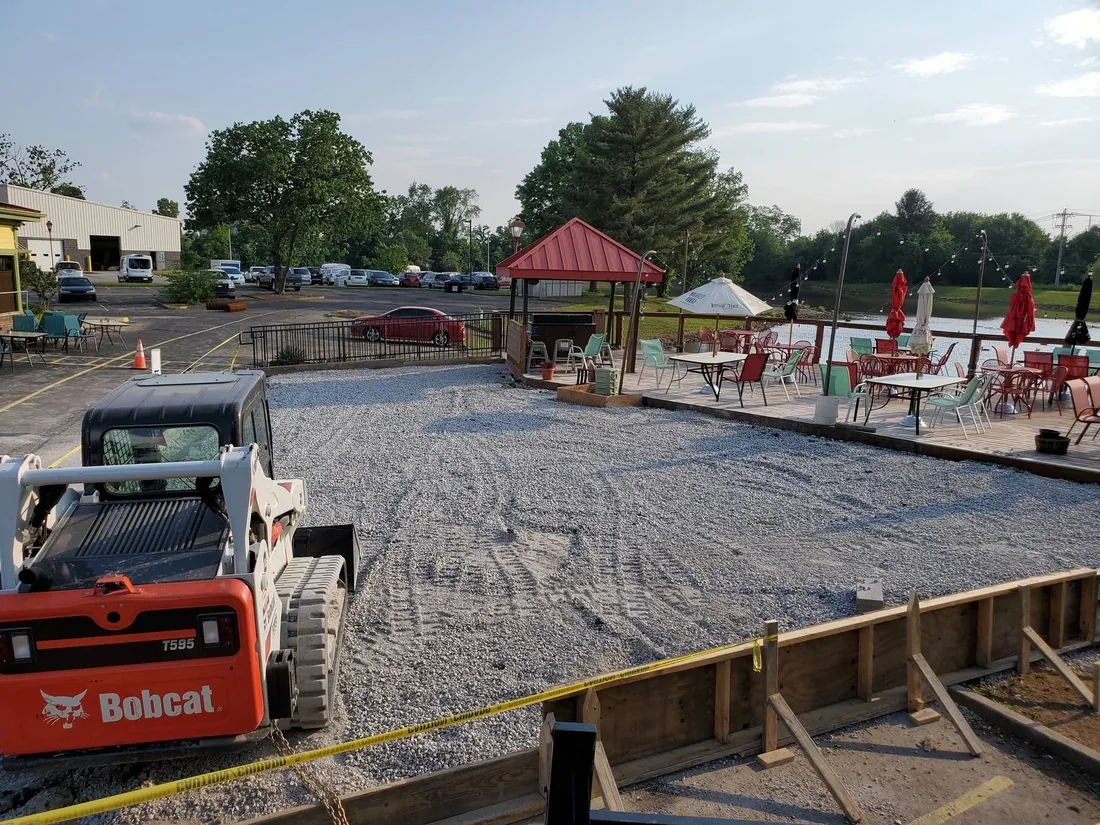
We build house pads and grade land and yards on town lots and acreage. We work from your plans on a build and lay out a yard or a drive with you.
Learn MoreWe look at the property when the job needs a visit. Then you get the proposed work and the price in writing.
What happens to the dirt, logs, stumps and debris is agreed before work starts. It is written into your estimate.
Soaked ground does not dig or compact the way it should. When it is too wet, we say so and set the work for when the ground allows.
We work on farms and raw land as well as town lots and job sites. That work runs across Central Kentucky and Southern Indiana.
Tell us where the property is and what you need done, and text photos if you have them. Send the form, or call or text (502) 671-3465.
Tell us about the job and where the property is. We talk through the scope and put a free estimate in writing.